

Attack of the (Coffee) Drones
Tech CEOs and other prognosticators have described drones as the future of coffee delivery for more than a decade. Why haven’t they materialised yet?
Tech CEOs and other prognosticators have described drones as the future of coffee delivery for more than a decade. Why haven’t they materialised yet?

It's the Coffee News Roundup: Week Ending May 15th
For paid subscribers: Naming a coffee company is tricky, and choosing the wrong one can result in controversy. Just ask Bad Ass Coffee of Hawaii.
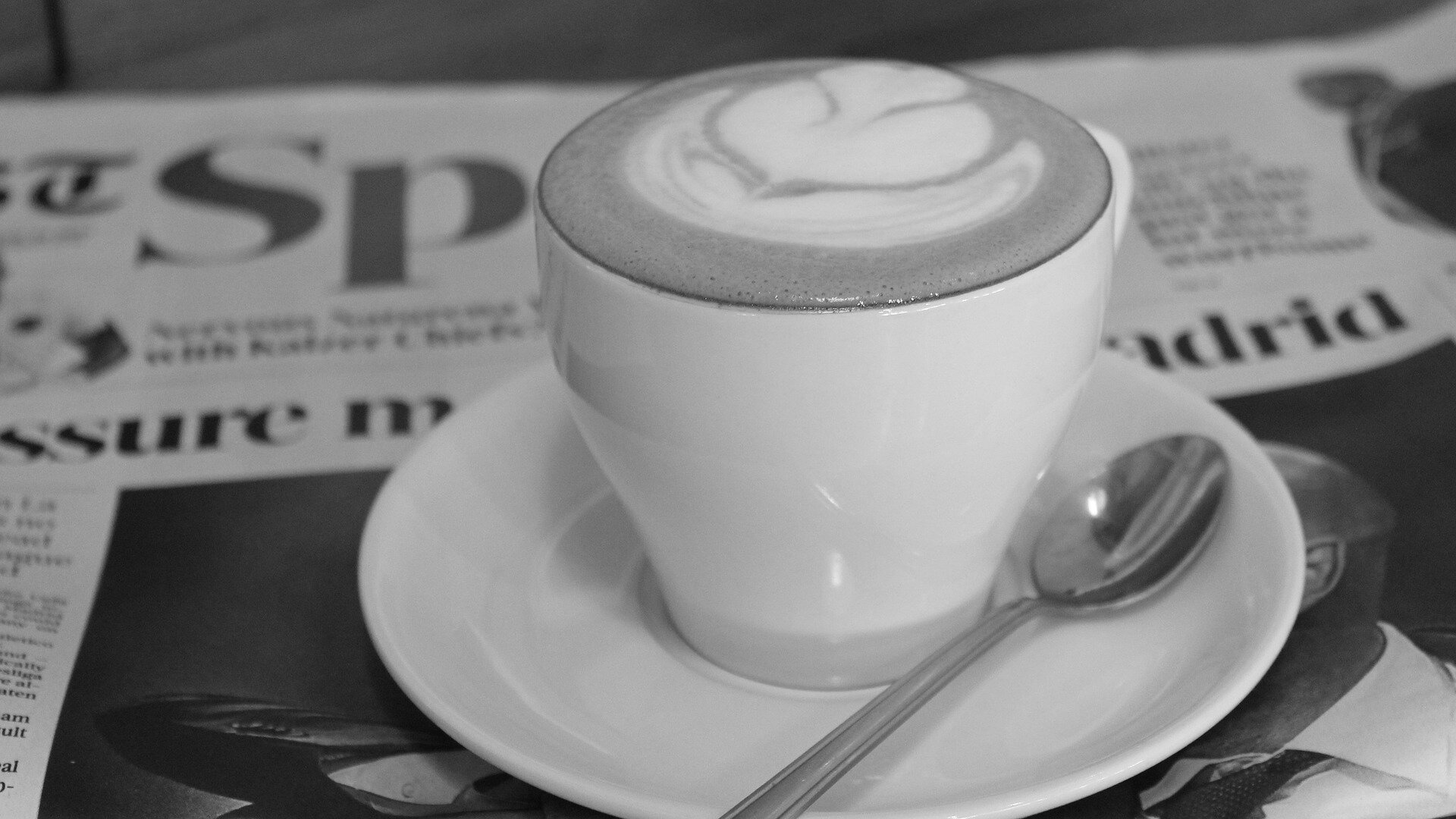
A white coffee cup with latte art and spoon sits atop a newspaper. Via Pixabay.
Hello and welcome to the weekend, and another Coffee News Roundup. Let’s take a look at what’s been going on, shall we?
Much like old enemies Pacino and DeNiro teaming up for one last heist in Heat (that’s what that movie’s about, right?), the National Coffee Association and the Specialty Coffee Association have joined forces to release the National Coffee Data Trends: Specialty Coffee Breakout Report looking at consumption trends within the specialty coffee market.
Here are some main takeaways:
As Daily Coffee News notes, the definition of “specialty” is quite vague, with the report saying that it is “any espresso-based beverage (lattes, cappuccinos etc.), non-espresso-based beverage (frozen blend, cold brew, nitro) and traditional coffee that consumers perceive to be brewed from premium coffee beans/grounds.”
Get ready for more of these sorts of articles in the future: Brazil, the world’s biggest coffee exporter, “just had a rainy season that brought hardly any rain.”
Now, as the country heads into the dry season, many producers are worried that they’ll run out of water to irrigate their trees. Although only 15% of Brazil’s arabica coffee crop is irrigated, it’s still concerning when the report states that “rainfall was disastrously low for many areas in Sao Paulo and Minas Gerais from January to April”, which “came on top of adverse drier-than-normal conditions in some parts last year”.
Drought conditions have also been reported by Jonas Ferraresso, coffee agronomist (and friend of the Pourover) who has posted photos of wilted trees from his travels among Brazil’s coffee farms.
The drought, combined with an ongoing container shortage and drops in production elsewhere, is continuing to push coffee prices higher.
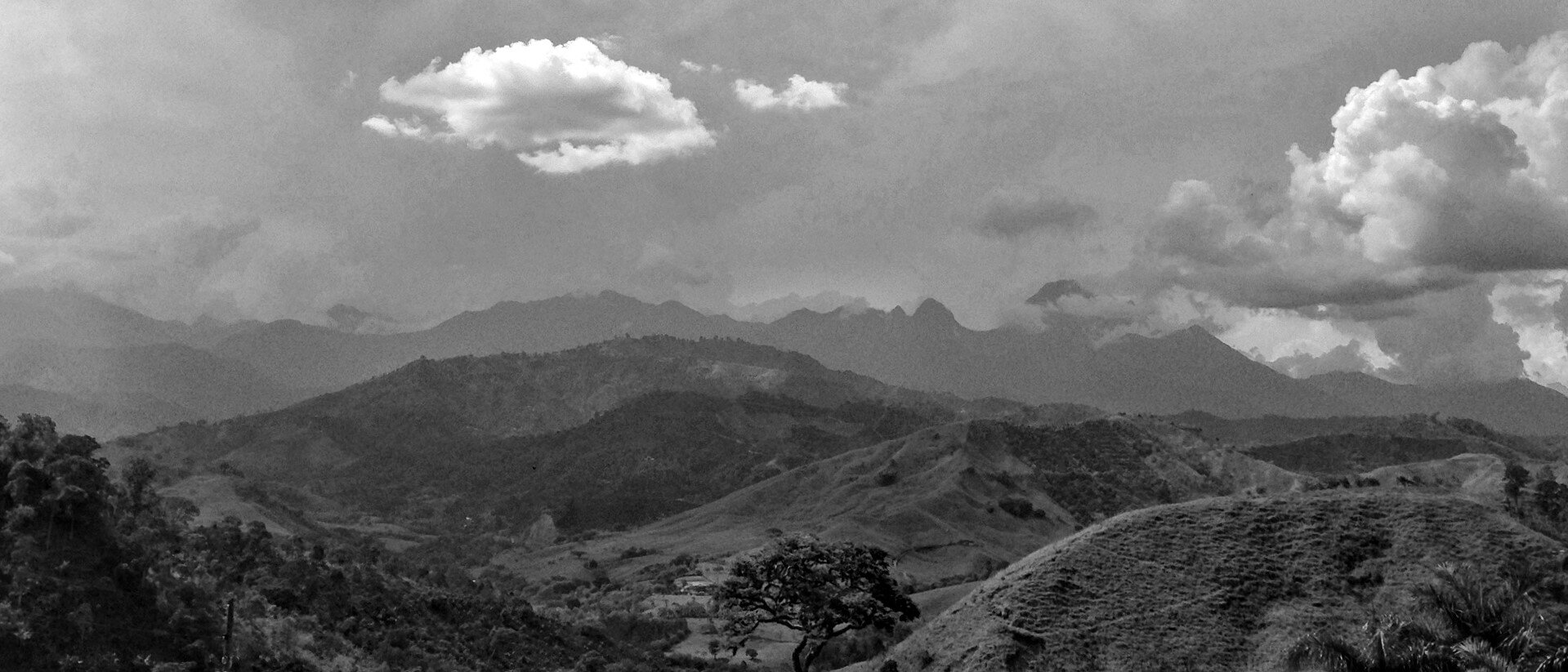
Long shot of Colombian coffee farms with mountains in the distance.
EPA Grants Emergency Exemption For Coffee Leaf Rust Fungicide In Hawaii
Guatemala's Coffee Exports To Fall Up To 3% This Season
In Colombia, A Successful Jaguar Conservation Program Has A Whiff Of Coffee
Kirin Holdings, the Japanese conglomerate that produces canned coffee products (among other things) and had revenue of $17 billion in 2019 is “stepping up support for coffee growers in Vietnam” according to a fun article in Nikkei Asia. Good for them! I’m sure they’re doing it out of the goodness of their—[holds finger to ear] ah I’m getting reports I should quote the next half of that sentence: “as it looks to cash in on growing consumer demand for sustainable products.”
Aha.
Also this week, Oatly has launched a sustainability grant aimed at coffee companies and their workers to “pursue strategies, projects and innovative ideas, then share their learnings to build a more sustainable future for the industry.”
Oatly, of course, is part-owned by the Blackstone Group, which has invested in companies linked to deforestation in the Brazilian rainforest, as well as China Resources, a state-owned conglomerate that operates cement factories and coal-burning power plants.
If you’re in your 40s and you drink more than three cups of coffee per day—congratulations! You’re going to live longer. That’s what Korean researchers discovered after studying 100,000 people over the course of nearly a decade: “death risks from all causes dropped by 21 percent for participants who drank more than three cups of coffee a day.”
The study, by researchers from Chung-Ang University and the Korea Disease Control and Prevention Agency and published in the Journal of the Academy of Nutrition and Dietetics, also found that drinking one cup per day was linked with a 42% reduction in death from heart related illnesses.
As always, what constitutes “a cup” is not stated, but this is still worth adding to the “coffee is good for you” column in the spreadsheet that I’m sure you’re all working on based on this section of the Roundup.
The Big World Of Tiny Cafe Miniatures by Jenn Chen
All Encompassing Coffee: Something For Everyone by Robyn Hunt
Until next week, drink good coffee.
Jun 30, 2023 Defiance and Gay Frog Donuts: How Strange Matter Coffee is Navigating the Anti-LGBTQ+ Backlash Jun 30, 2023 Jun 30, 2023
Mar 17, 2023 ‘No Billionaires Were Enriched Through The Sale Of This Coffee’: An Interview With Author John Green Mar 17, 2023 Mar 17, 2023
Oct 7, 2020 Dear Green's Lisa Lawson on the revamped 2020 Glasgow Coffee Festival Oct 7, 2020 Oct 7, 2020
Jul 8, 2020 What's it like to work at Starbucks during a pandemic? Five baristas share their stories Jul 8, 2020 Jul 8, 2020
Jun 18, 2019 Interview: Jonas Leme Ferraresso, Coffee Agronomist Jun 18, 2019 Jun 18, 2019
Jul 3, 2018 INTERVIEW: CATHERINE FRANKS, OWNER OF STEAMPUNK COFFEE - PART 2 Jul 3, 2018 Jul 3, 2018
Jun 26, 2018 INTERVIEW: CATHERINE FRANKS, OWNER OF STEAMPUNK COFFEE - PART 1 Jun 26, 2018 Jun 26, 2018
Feb 5, 2018 INTERVIEW: BROOKE MCDONNELL, CO-FOUNDER OF EQUATOR COFFEES & TEAS Feb 5, 2018 Feb 5, 2018

It's the Coffee News Roundup: Week Ending May 15th


Deeply researched articles exploring all the ways coffee connects to politics, history, and culture—delivered direct to your inbox