

A More Equitable Approach to Coffee Sourcing?
It's the Coffee News Roundup: Week Ending April 3rd

Hello, and welcome to the Roundup. Every week, I read all the coffee news and write about the best bits for Fresh Cup Magazine. Then, I summarise those bits for you in this newsletter.
- As long-time readers of this newsletter will know, the way value is distributed within coffee is all messed up. The industry generates billions of dollars each year, but very little of that makes it to the farmers and other workers who actually produce the coffee. Now, 14 of the world's largest coffee companies—from green traders to roasters and retailers—have come together to agree on a new, more equitable approach to coffee sourcing. Spearheaded by non-profits Global Coffee Platform, IDH, and Solidaridad, the effort involves a focus on long-term, equitable sourcing practices and a focus on both economic and environmental sustainability.
 Fionn Pooler
Just going to leave this here...
- As part of Starbucks' ongoing attempts to recapture the welcoming coffeehouse vibes that helped make it a global behemoth, the struggling company is looking to incentivise its hourly workers through quarterly bonuses and more tip options. According to Starbucks, the initiatives will increase the average barista's annual pay by 5-8%. However, they won't be available to unionised workers because the company says any changes to wage structure are subject to collective bargaining.
- Honduras could see its suitable coffee-growing land shrink to just 12% of its current production area by 2050 due to climate change. It is one of a number of countries that could see reduced coffee-growing suitability, according to a new report by Rabobank. Ethiopia, on the other hand, could see an increase in such land as weather patterns continue to shift.
For more on all these stories, plus how caffeine may help our brains recover from sleep deprivation, check out the full Roundup over at Fresh Cup Magazine:
 Fionn Pooler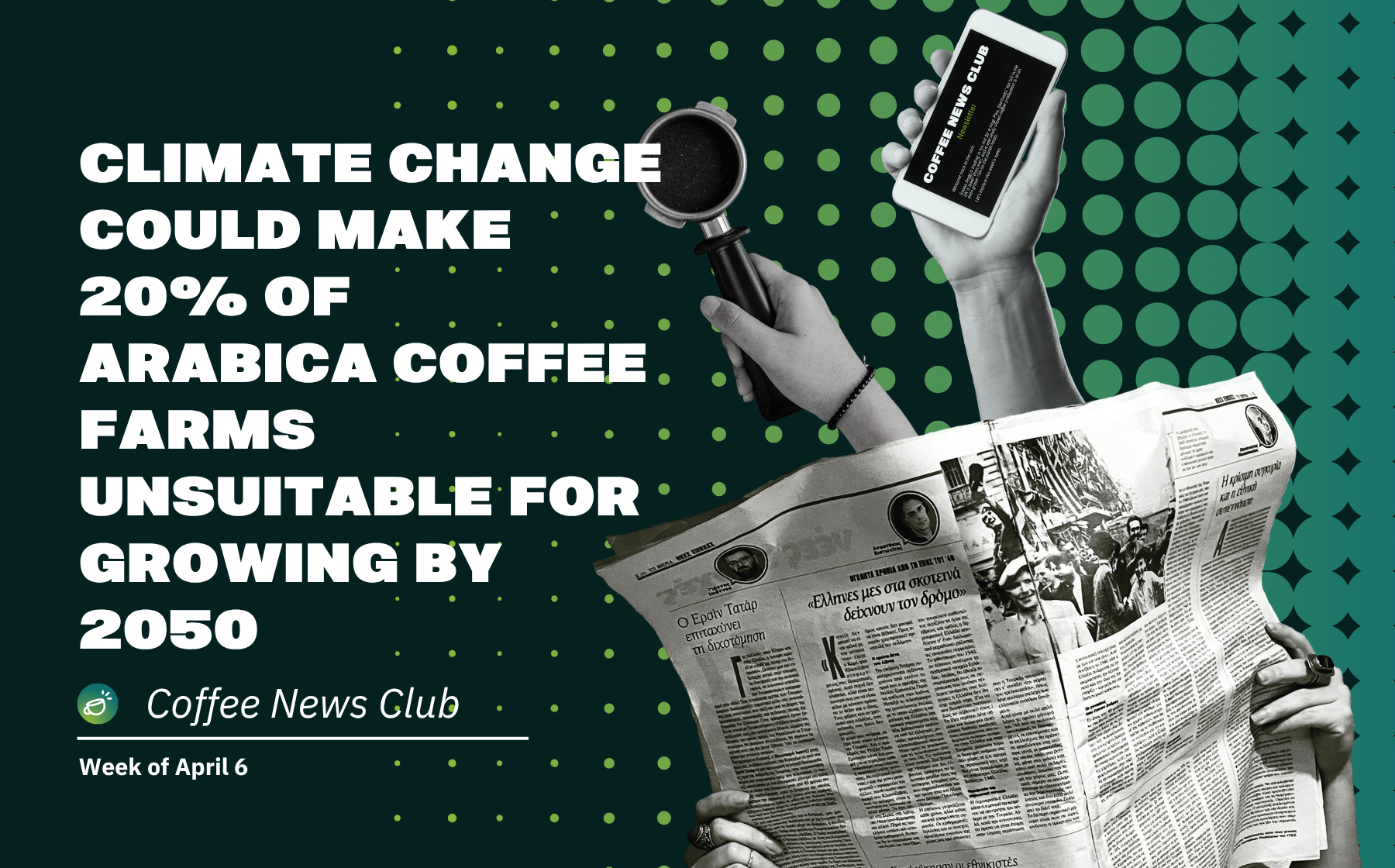

Speaking of Starbucks' attempts to relive its past glories, remember the Oleato olive oil latte? It was former CEO Howard Schultz' last big project before stepping down for the final time, and it was pretty much a disaster. I wrote about it for this week's paid subscriber bonus article:
 Fionn Pooler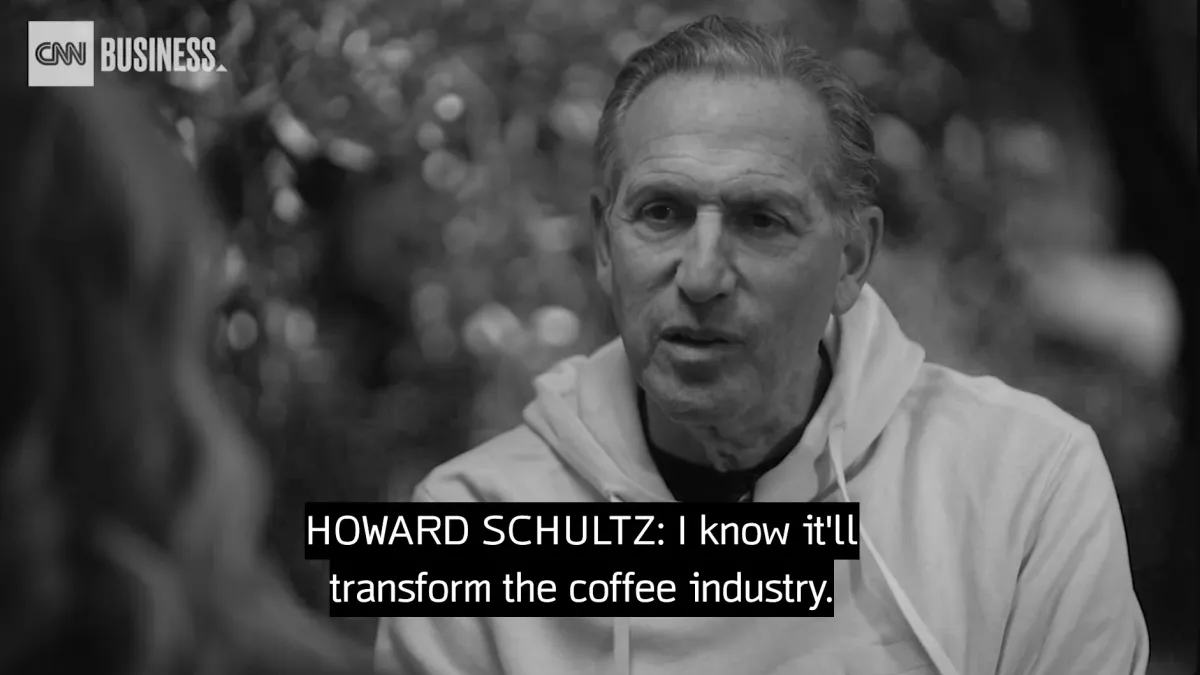
Reviews, it must be said, were not kind. “It’s like an oil spill on your iced coffee”, as one TikToker put it. In a New Yorker piece, Gideon Lewis-Kraus described the texture as “fulsome and blubbery” and a “slick, oleaginous sediment that seemed likely to coat our mouths in perpetuity”. Some customers complained of stomach issues.
I'll be back on Friday with a new Pourover longread, but until then it's goodbye from my mum's dog Fergus, who I am looking after this week:

Thanks for reading! If you'd like to support my work (and get extra bonus articles) why not become a paid subscriber to The Pourover:

Read next


More Coffee = Better Sleep? That Can’t Be Right
It's the Coffee News Roundup: Week Ending March 13th
