

Coffee Conversations: Hanan Wazwaz on Opening a Palestinian-Salvadoran Cafe in Minneapolis in the Current Moment
The co-founder of Sip of Silk discusses opening a coffee shop and trying to both celebrate her heritage and support her community amidst an ongoing terror campaign by the federal government.

“The funny thing is, I don’t like coffee”, says Hanan Wazwaz when I ask about how Sip of Silk came about.
Despite working as a barista at Caribou Coffee as a teenager—“I love the smell of it, [and] I think it’s fun to make”—Wazwaz never liked the taste. A Palestinian-American, she was in an accelerated programme at nursing school in 2023 when Israel’s genocide in Gaza began. “I was already more stressed than your average nursing student”, she says, “The school that I went to didn’t support me, and nobody really talked about it”.
Wazwaz has family in the West Bank, and friends whose families were killed in Gaza. “I was just angry all the time because of what was happening, and it was bothering me that people were so silent about it”.
The idea to open Sip of Silk started that November, but took two years to come to fruition. Along with her husband, Salvadoran-American Alejandro Soto Bonilla, Wazwaz decided to “make something for us, by us”. The couple took research trips to Illinois and Michigan, inspired in part by the growing number of Yemeni coffeehouses, and brought on Wazwaz’ sister Danya and cousin Ahmad as co-owners.
Sip of Silk opened in November 2025 near the University of Minnesota’s campus in Minneapolis. The next month, the Trump administration sent thousands of Immigration Customs and Enforcement (ICE) agents to brutalise the state as part of the so-called Operation Metro Surge.
I spoke with Wazwaz about running a newly-opened coffee shop and trying to both celebrate her and her husband's heritage and support her community during the ongoing siege of Minneapolis.
This conversation has been edited for length and clarity.
Can you talk a little about your reasons for wanting to start a coffee shop?
I have family, not in Gaza but in the West Bank. Those are my people that [Israel is] killing. I have friends that their families were getting slaughtered. And it was just bothering me that people were so silent about it. Now we have some Yemeni coffee shops, but before those started we didn't even know about them here in Minnesota. I thought, why don't we make something for us, by us?
A lot of Palestinian-owned [businesses], at least in Minnesota, they’re not as outward with their pride and their identity. So they’ll say ‘We’re an Arab restaurant’ but they won’t mention Palestine, because they want sales, right? I wanted to be different.
A lot of people told me it’s a bad idea, that if you mention you’re Palestinian or pro-Palestinian, you’re not going to get business. And I was like, I’m not negotiating that. I’m Palestinian, I’m going to say I’m Palestinian, not just Arab-owned. And so we did do that, and we’ve had a tonne of support for that.
So it was a mix of things, both the Palestine stuff and then also feeling like I want to give something back to Minnesota, especially for the younger crowd, especially people who don’t drink. I have a lot of even non-Muslim friends who don’t drink at all, and in Minnesota, unless you drink there’s nothing to do at night. We really wanted to provide that for people.
How have you managed to combine your Palestinian heritage and your husband’s Salvadoran heritage? For instance, in your menu and the drinks you serve?
We always, from day one, said we're Palestinian-Salvadoran. Our menu is seasonal, so we’ve been doing a lot of Arab-influenced flavours. Dates, for example, are huge in my culture. So we have a date cold brew that is super popular. We have the regular pistachio lattes that are very popular from the Yemeni coffee shops. Right now, for the winter, we're doing a hibiscus limeade, that's a Salvadoran drink.
Salvadoran horchata is very different from the Mexican one, and my husband worked for the two years [before we opened] to perfect his recipe. And so many Salvadorans are like, ‘This reminds me of back home’. It’s such a beautiful feeling to hear that.
The look of our space got people's attention right away. I was very sick of the minimalist, sterile look. I wanted colour. I wanted patterns. There’s a tree in the middle of our space, and half the tree is a Palestinian olive tree, and half of it is El Salvador's national tree, the maquilishuat. It's kind of cherry blossom-esque. It might sound cheesy, but it's like an ode to me and my husband's love.
It's a beautiful blend of cultures and a beautiful blend of resistance as well. And it's just super cool being the first Arab-Latino coffee shop in the States. At least, that’s known. I've scoured Google and I haven't found any [others], so I'm going to accept the title.
How have the first couple of months running Sip of Silk been, in general?
We had a rough patch because we’re on campus, and the students have been gone. Being in the city was a gamble, because it’s a lot more expensive, but we were shocked that, on campus, there’s nothing. There was a Caribou that got torn down. There’s a Starbucks in the campus, but [other than that] there’s really no coffee shops.
[Since the students returned] we’ve seen so much amazing support. They’re so happy we’re here, and to see us being proud of our identities makes them more excited because they know what we stand for and that makes them more comfortable, especially a lot of the minority groups.
And what has it been like in Minneapolis, with everything that's been happening? I saw that you’ve been doing some community work and stocking whistles, can you talk a bit about that?
We had those Know Your Rights cards and whistle kits since the beginning. People took the information, but I think because of finals and a lot of students [being gone] it probably just didn’t get enough attention.
We’ve had people in the community offer whistle kits, there’s a few people that 3D print them and a few days a week they come and refresh them because they’re going out super crazy. We did a food drive, we got in contact with some people in the community that were helping families that were too scared to go to work and couldn't cook or go grocery shopping. We just do a little bit wherever we can to try to make an impact.
 Fionn Pooler
More quotes from Hanan feature in this piece I wrote for Fresh Cup.
Has your shop been directly impacted by the ICE presence?
Thankfully we’ve been okay. They’re actually right next to us. Around the corner, like a three minute drive is the Graduate Hotel, they’ve been known to house ICE agents. Every other night a bunch of protesters go there and make a tonne of noise, which has been awesome. A few days ago like 70 people got arrested, there were at least 100 cops and they just kettled the whole area in.
Thankfully nobody has come into our space, and I don't know why that is, but I'm glad that hasn't been the case. We have signage saying ‘You're not welcome’, and we very much mean that. I told all my staff that you're not to serve them unless you're, like, scared or something. I don't want you to feel like you have to serve them. You have every right to tell them to get the hell out of here. It’s sad to have to train my staff for these situations, but I’m really proud of my staff, they’ve been very brave.
That’s the whole thing with the Caribou situation. They’re like, ‘Oh, we’re kind to everybody’. No! You shouldn’t be kind to Nazis.
 Fionn Pooler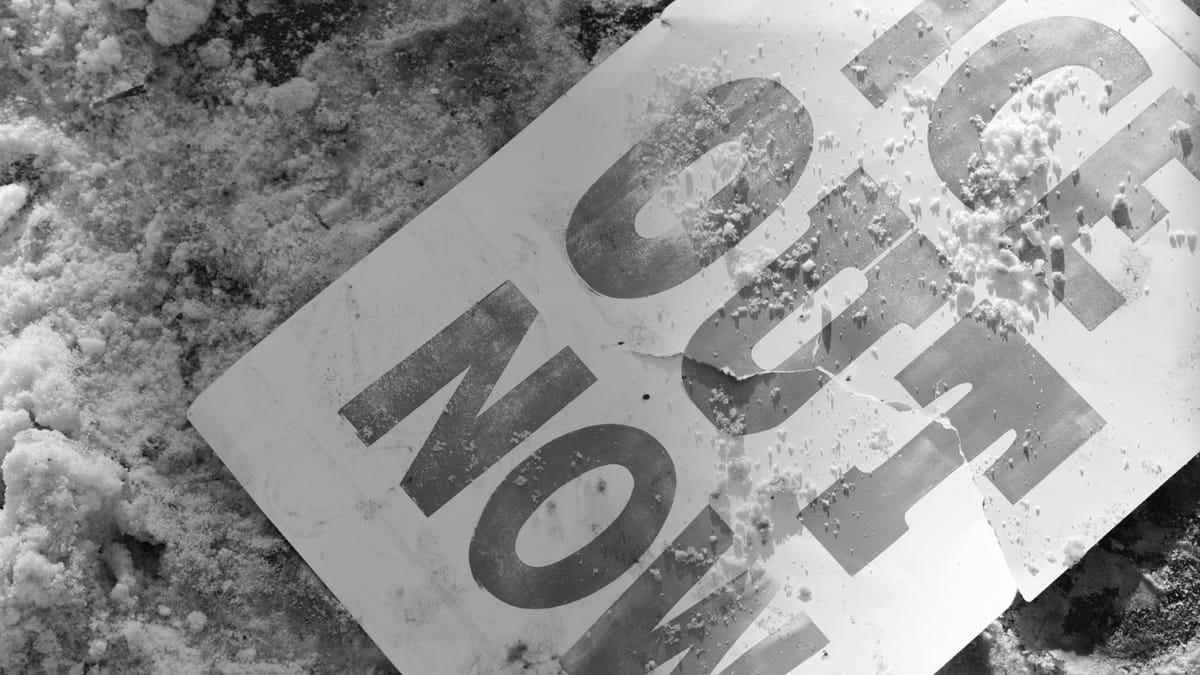
More on "the Caribou situation".
There does seem to be an echo in the current silence of much of the coffee industry, especially big companies, and how they failed to respond to the genocide in Gaza. The struggles are connected.
We have been doing our best not just to talk about how we're against ICE, but reconnecting it to Palestine, because it very much is relevant. Even though the media moves on, we still reshape the narrative back [to Palestine] every now and then. Like, hey, don't forget about this. It's super relevant. If you think it's not affecting you, it's going to affect you eventually.
I think [Operation Metro Surge has] also woken up a lot of America, especially, to be honest, white people, because they saw white people killed. They were like, wait, that could be me. It's just a weird feeling seeing so many people saying ‘This isn't the America I know’. This is the America we've been telling you about! But instead of being mad at them, I hope that this further radicalises them to stand up for Palestine, for Sudan, for Congo, for everybody.

Read next

Coffee Conversations: Biggby's Bob Fish on Challenging Corporate Coffee’s Status Quo
The co-founder of the chain Biggby Coffee talks about building a successful company with hundreds of franchised locations, only to switch to a new way of doing business—one that prioritises more than just growth and profit.

Coffee Conversations: Barista Education with Rachel Apple
The consultant and educator discusses her coffee background, how she became an educator, and the upcoming Level Up event for baristas.

Coffee Conversations: Stuart Freedman on Photographing the Indian Coffee House
The photojournalist and author discusses his experiences capturing the essence of India’s oldest and largest coffee chain, as well as its legacy and importance as a resistance to brands like Starbucks.

Coffee Conversations: The Joy of Blends with Tony Konecny of Yes Plz
The third wave veteran discusses his blending philosophy, why blends are still overlooked by many in the industry, and taking a culinary approach to coffee.