

Colombia's University of Coffee
It's the Coffee News Roundup: Week Ending June 5th

Hello, and welcome to the Roundup. Every week, I read all the coffee news and write about the best bits for Fresh Cup Magazine. Then, I summarise those bits for you in this newsletter.
- Just two months after fierce back-to-back storms hit Hawaii and flooded coffee farms, a 6.0 magnitude earthquake struck the Big Island and destroyed many water catchment tanks. Rural Hawaiians, especially those in the mountainous coffee-growing regions, often don't have municipal water service and are thus reliant on rainwater-collection systems for their homes and to irrigate crops. The earthquake damaged or destroyed many of them—although the exact number is still unknown, the state's civil defence agency has received more than 400 damage reports.
- Caffeine only makes up around 1.5% of a cup of coffee, but it is extremely bitter and by rights should be the main thing we taste. A team of German researchers thinks they have discovered why that's not the case. To do this, they isolated a group of compounds called melanoidins which form during the roasting process. When these compounds interact with caffeine, they seem to block caffeine's access to our tongue's bitter taste receptors, thus dulling its impact.
- Colombia is launching a coffee-specific university programme designed to address the problem of urban migration among the country's young people. Based in Huila, Colombia's largest coffee-growing region, the University School of Coffee will focus on technical and engineering training for young coffee producers. If successful, the government hopes to expand the programme to other municipalities.
For more on all these stories, plus two new heart-focused coffee health studies, check out the full Roundup over at Fresh Cup Magazine:
 Fionn Pooler

In case you missed it, the latest Pourover long-read is on the subject of El Niño, which is forecast to form this year and could be extremely strong. Past "super" El Niños have proven to be hugely destructive, and the impact on coffee production could be profound. Read all about it:
 Fionn Pooler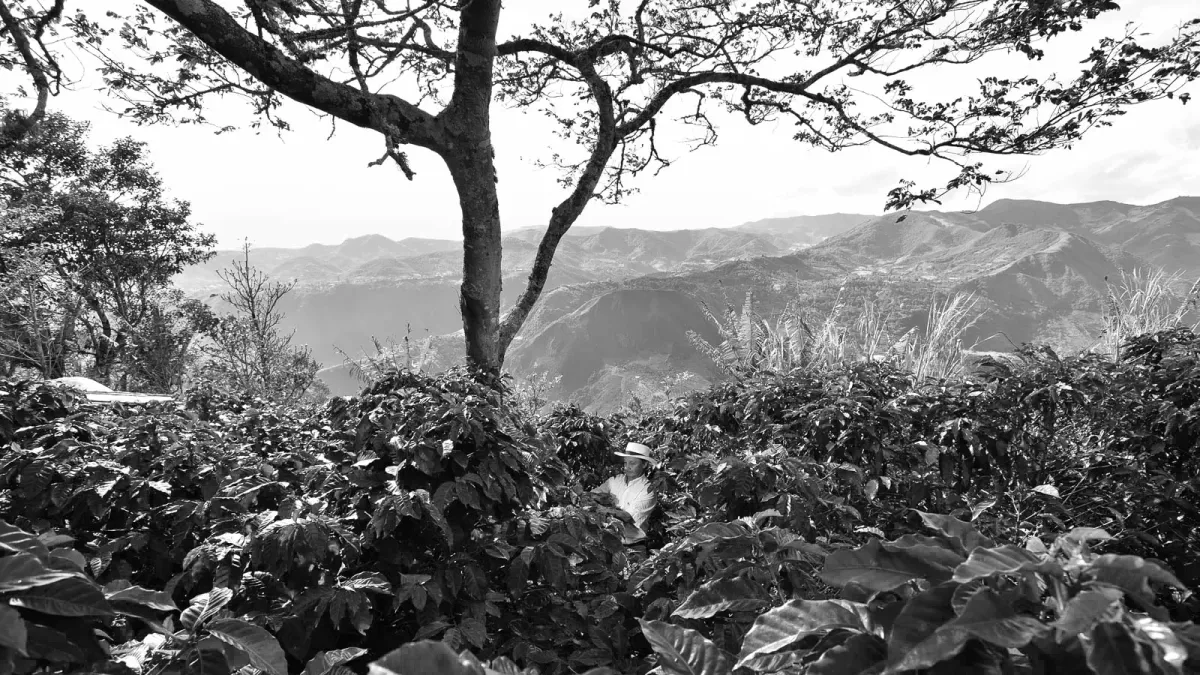
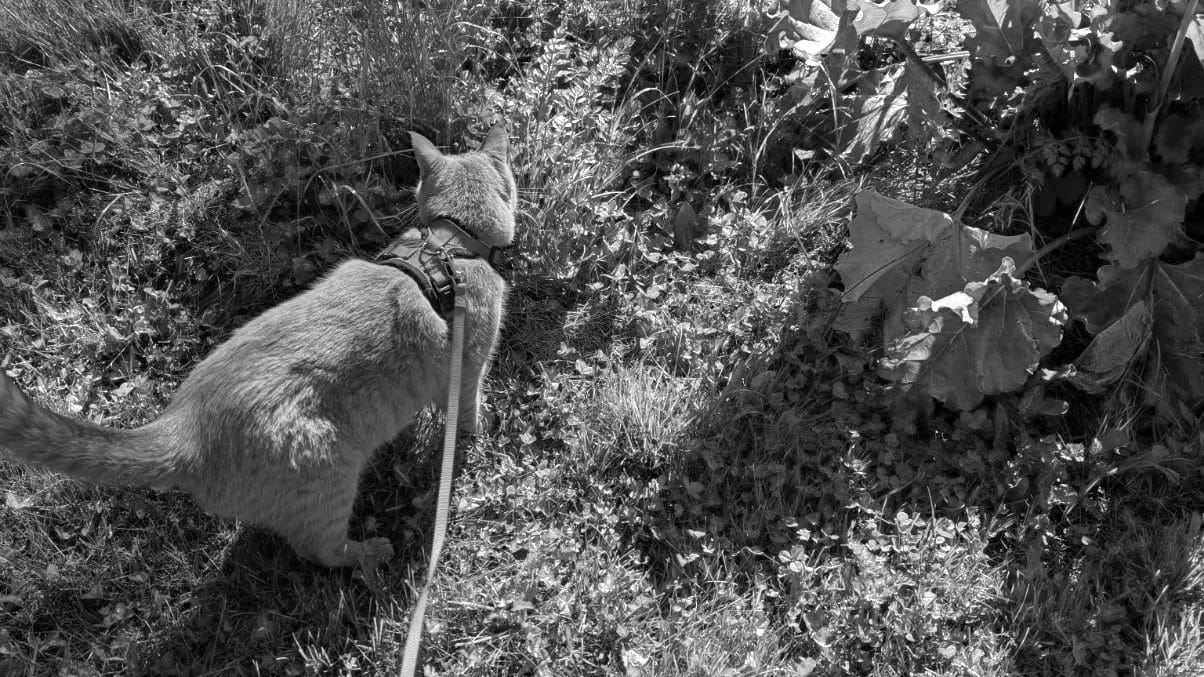
Paid subscribers will receive their bonus article this Friday—exploring the topic of coffee prices, and the question of whether retail prices will ever fall—but until then it's goodbye from my friend Angela's cat Clem, who is inspecting the rhubarb crop:
Thanks for reading! If you'd like to support my work (and get extra bonus articles) why not become a paid subscriber to The Pourover:

Read next


An AI Agent Tasked With Running a Coffee Shop. What Could Go Wrong?
It's the Coffee News Roundup: Week Ending May 15th
