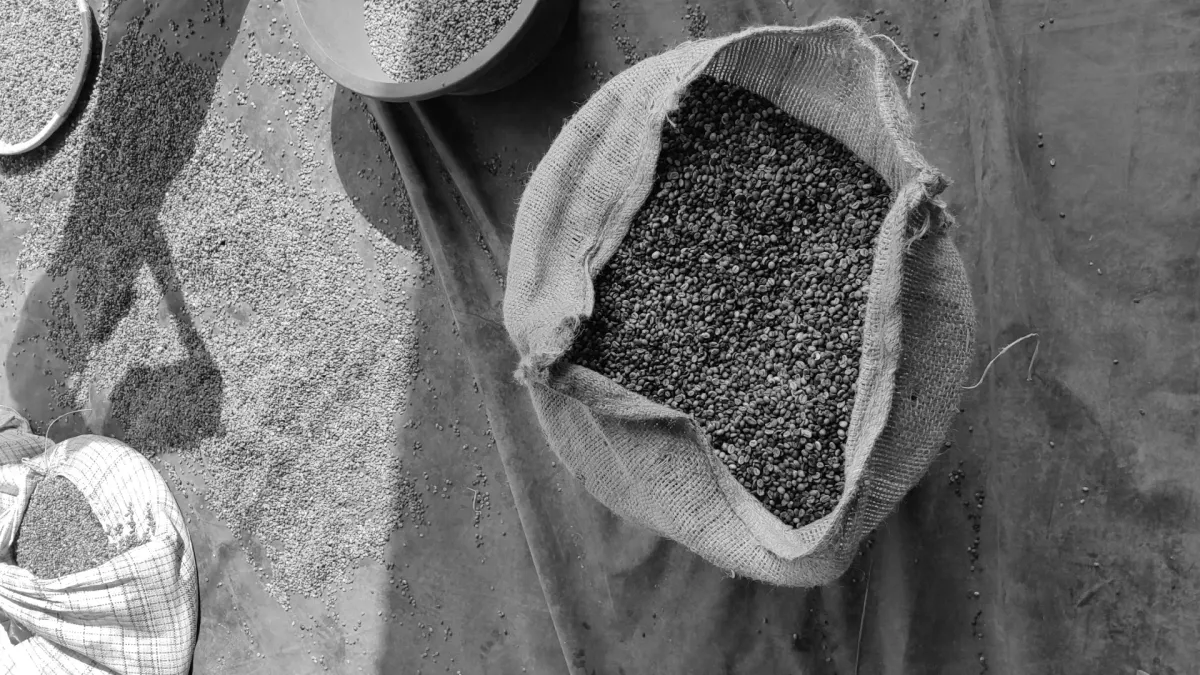
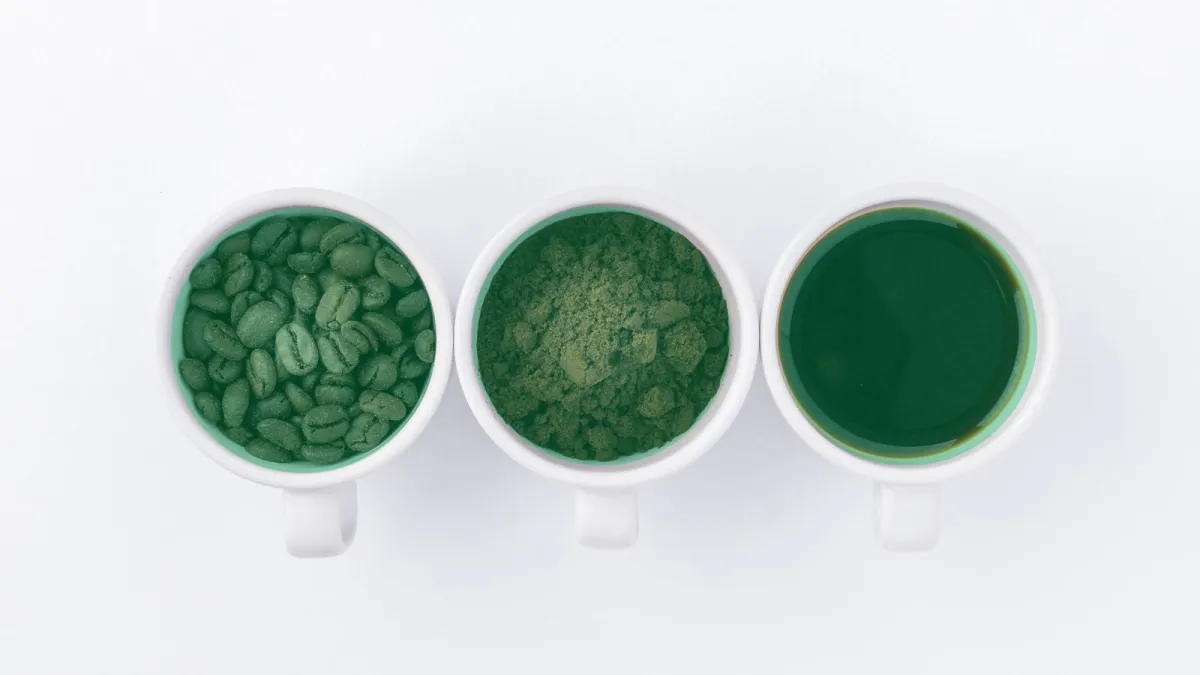
Non-Coffee Companies in Japan are Growing Coffee in Greenhouses. Why?

It's the Coffee News Roundup: Week Ending June 19th

A Chemex pouring coffee into a cup on a table, seen from above, overlaid with logos for Fresh Cup Magazine and The Pourover

Hello, and welcome to the Roundup. Every week, I read all the coffee news and write about the best bits for Fresh Cup Magazine. Then, I summarise those bits for you in this newsletter.

  • The Ebola outbreak in Democratic Republic of Congo and Uganda is happening in some of those countries' key coffee-producing regions. At least one coffee-related NGO has launched an emergency response in DRC, distributing hand-washing materials and healthcare information. The outbreak has also impacted coffee production: with the border closed, farmers are having trouble accessing materials such as fertiliser.
The Long and Complicated History of Coffee Smuggling
Smuggling has been a part of coffee since the beginning, and continues in many forms today. In the process, it reveals much about the industry’s power structures.

The DRC-Uganda border is particularly porous, and coffee is often smuggled back and forth.

  • Hoping to capitalise on the rise in coffee prices over the past few years, companies in Japan are getting into coffee farming. However, they aren't coffee brands: both Nichibei United Corp., an oil and gas conglomerate, and Ishizuka Glass Co., which makes glass products, have started growing coffee in greenhouses. It has been... tricky. “Agriculture is tough. We have faced a series of unexpected events", Kenji Tsujino, who runs Nichibei United's coffee farming operation, told Kyodo News.
  • Lavazza is embracing the plastic-free coffee pod trend with its new Tablì system. Instead of plastic or aluminium capsules, the Tablì uses small round discs made from compressed ground coffee. The system is marketed (and reported on) as a sustainable alternative to coffee pods—Keurig did something similar with its K-Rounds coffee puck a few years ago. But as with the K-Round, in order to enjoy the Tablì you'll need to upgrade to a completely new machine, and presumably get rid of your old one. Is that environmentally-friendly?
Coffeewashing
The coffee industry version of greenwashing. Coffeewashing is when coffee companies deceive or mislead the public about the positive social, economic and environmental impact of their products or actions.

For more on all these stories, plus how Fairtrade International is helping its members prepare for the dreaded EUDR, check out the full Roundup over at Fresh Cup Magazine:

Coffee News Club: Week of June 22
Greenhouse coffee is harder to grow than you think. Plus, coffee pods become more sustainable, but you need to buy a new machine to use them.

In case you missed it, the latest Pourover long read is on the still-ongoing unionisation drive at Starbucks, and whether external pressure can help move the needle (includes an interview with UN-appointed human-rights expert Gina Romero):

After Years of Union Avoidance, External Pressure Is Building on Starbucks
Nearly five years since the first Starbucks location unionised, contract negotiations are still dragging on. Can external pressure from shareholders and human-rights campaigners make a difference?

Paid subscribers will receive their customary bonus article on Friday, but until then it's goodbye from my friend Angela's cat Clem, who is enjoying the Michigan sunshine / practising here gargoyle impression:
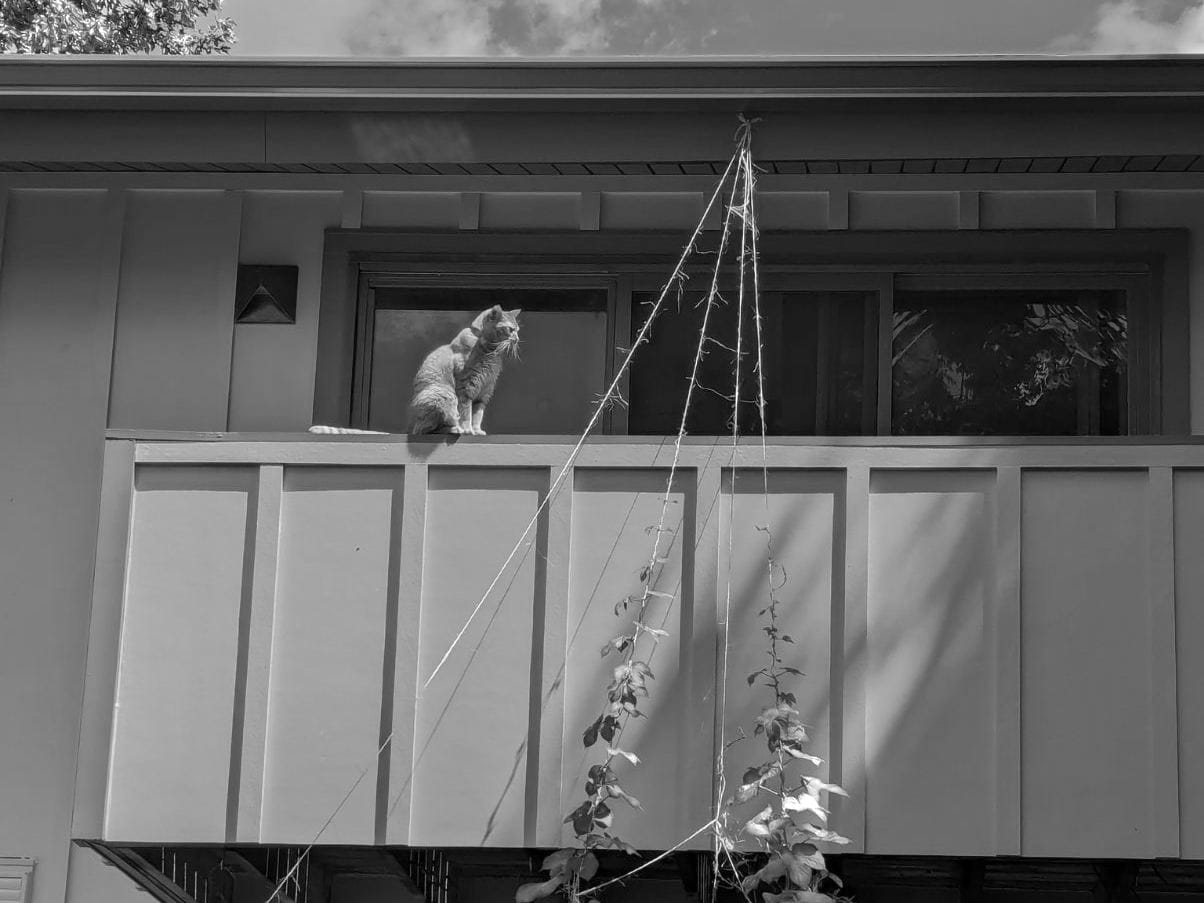
An orange cat sits upright on a wooden balcony contemplating a series of twine strings holding up hops

Thanks for reading! If you'd like to support my work (and get extra bonus articles) why not become a paid subscriber to The Pourover:

Upgrade here!

Great! You’ve successfully signed up.

Welcome back! You've successfully signed in.

You've successfully subscribed to The Pourover.

Success! Check your email for magic link to sign-in.

Success! Your billing info has been updated.

Your billing was not updated.